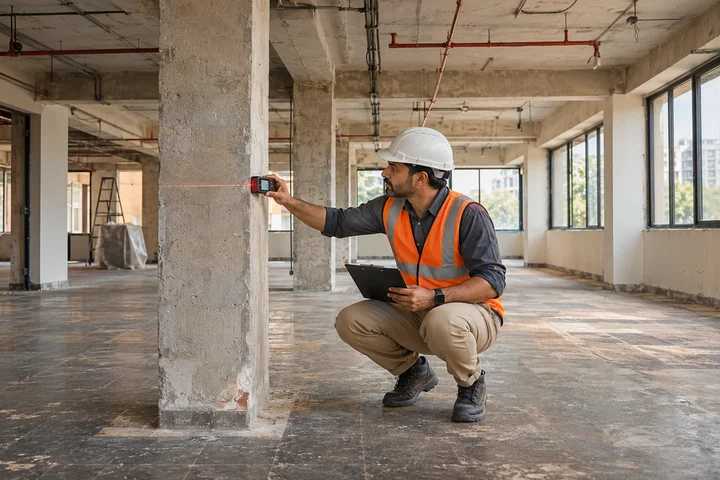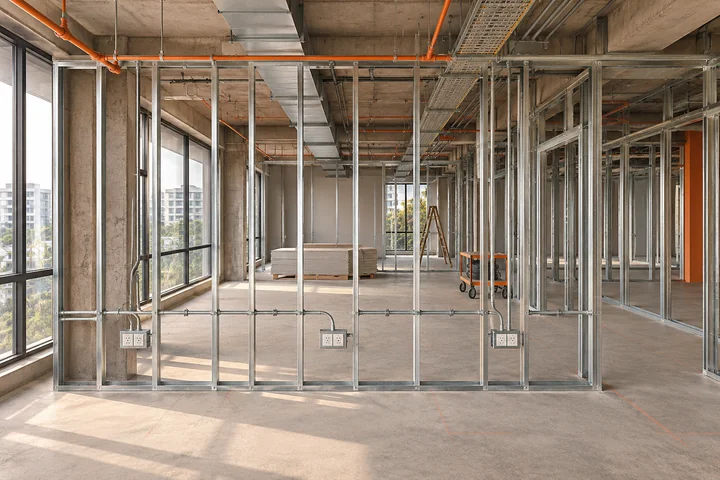


Run a construction progress meeting around completed work, blockers, upcoming decisions and named actions. Keep one agreed, dated action log.
Overview
A useful construction progress meeting ends with decisions that can be acted on. Bring the current programme, a short issue log and the latest drawing references. Separate work completed from work merely planned, then agree what needs an answer before the next trade starts.
Report progress by area and milestone
Start with what happened since the last review. Use locations and observable milestones. Instead of reporting that ceilings are progressing, record which rooms have been released, which are waiting for service checks and where work has started. Link photographs or inspection records when they are relevant. Explain the effect of unfinished tasks on the next activity.
For the related planning decisions, read the guide to preparing a turnkey quotation brief.
Discuss blockers while the right people are present
Sort blockers into decisions, information, access and procurement. A late finish sample might affect the joinery schedule while a missing room detail could affect several trades. Give each blocker an owner who can move it forward. Record any related approval date and the consequence if it slips. Where a technical decision is required, identify the responsible professional and avoid making the decision by assumption in the meeting.
Close old actions before adding new ones
Bring forward the previous action list. Mark an item closed only when its agreed evidence is available or the scope owner accepts the resolution. If a room remains blocked, write down what changed and when it will be reviewed again. Keep the review focused on current decisions rather than replaying the entire project history.
Work through an example
Suppose one team says the reception is ready for flooring, while another is still waiting for the final service point. Ask both teams to identify the exact area and the work they still need to carry out. If part of the zone can proceed, record the boundary on a drawing and give the remaining area a release date and named owner.
Publish an agreed action log
Keep the minutes short enough to use on site. Include the latest drawing revisions, decisions made, owner and due date for each action and any effects on the handover or delivery sequence. Share the same version with everyone who needs to act. At the next meeting, start with the actions that are still open.
Bring your current plan and the decisions still open when you discuss construction project management.
Distinguish a report, a decision and an instruction
A progress update says what has happened. A decision records an agreed choice. A formal instruction follows the project's agreed authority and process. Do not let a conversational note look like permission to carry out a change when that permission has not been issued.
Use an action reference, location, owner, due date and evidence of closure for each unresolved point. Carry open references into the next meeting rather than renumbering them as new issues. If a decision affects another trade, identify who will circulate the revised information and when.
Who should attend a construction progress meeting?
Invite the people needed to resolve the current agenda and make decisions within their authority. Ask specialist suppliers to join for relevant interfaces rather than expecting one general progress call to resolve every technical issue.
Discuss your project
Bring your current programme and open decision list to discuss construction project management with our team. Explore construction project management to discuss the relevant scope.